The Science Behind the Safari: Conservation Through a Family Lens
From tracking lions in the Maasai Mara to monitoring painted dogs at Mpala Laikipa, a reflection on conservation, family, and the next generation of explorers.
There is a moment on every safari when observation becomes understanding.
It might be a lion pride emerging from the golden grasses of the Maasai Mara at first light, or a painted dog pack moving purposefully across Laikipia’s plains. To most guests, these are unforgettable sightings. Increasingly, we are discovering that the deeper story lies in the science, dedication, and conservation work that helps protect them.
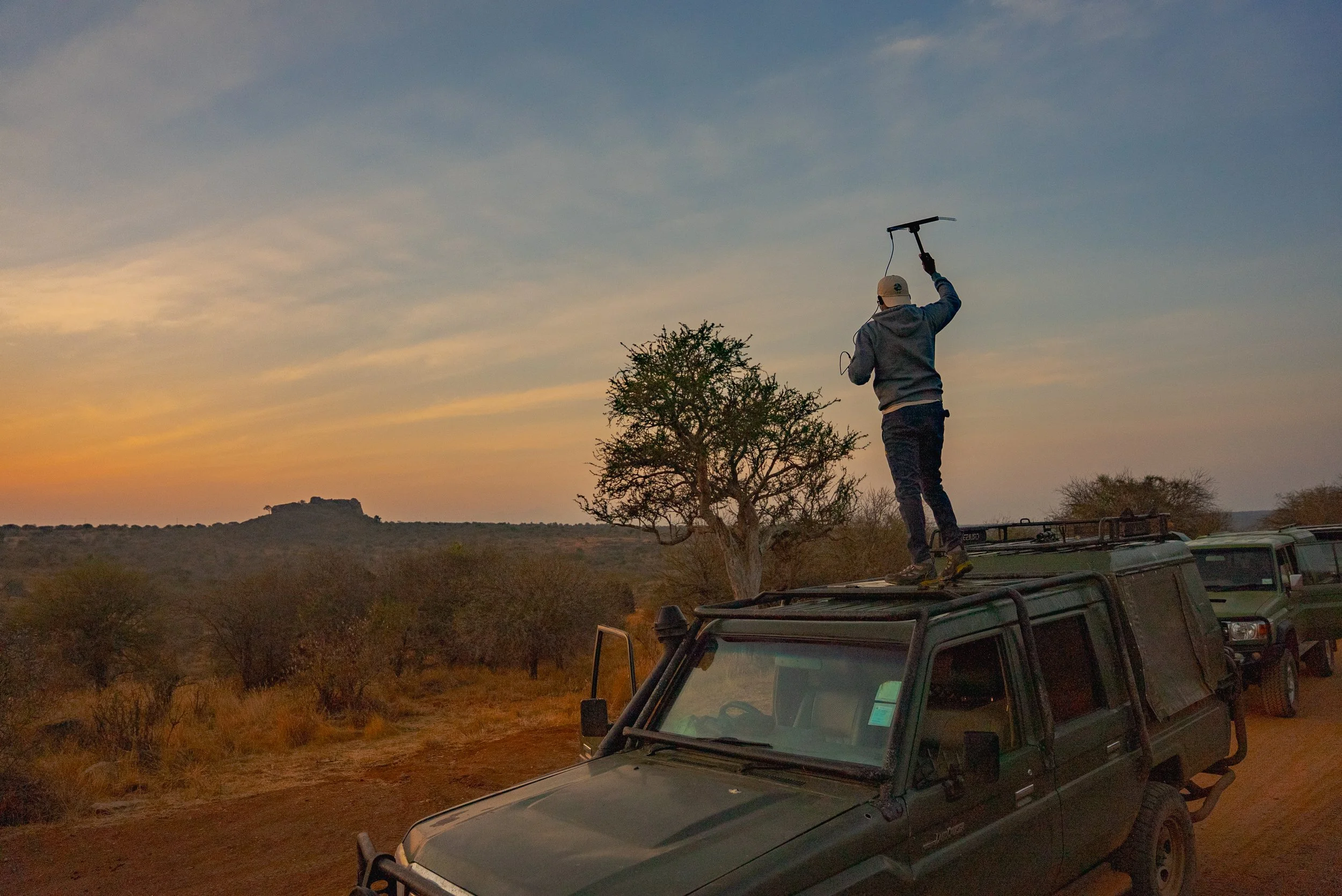
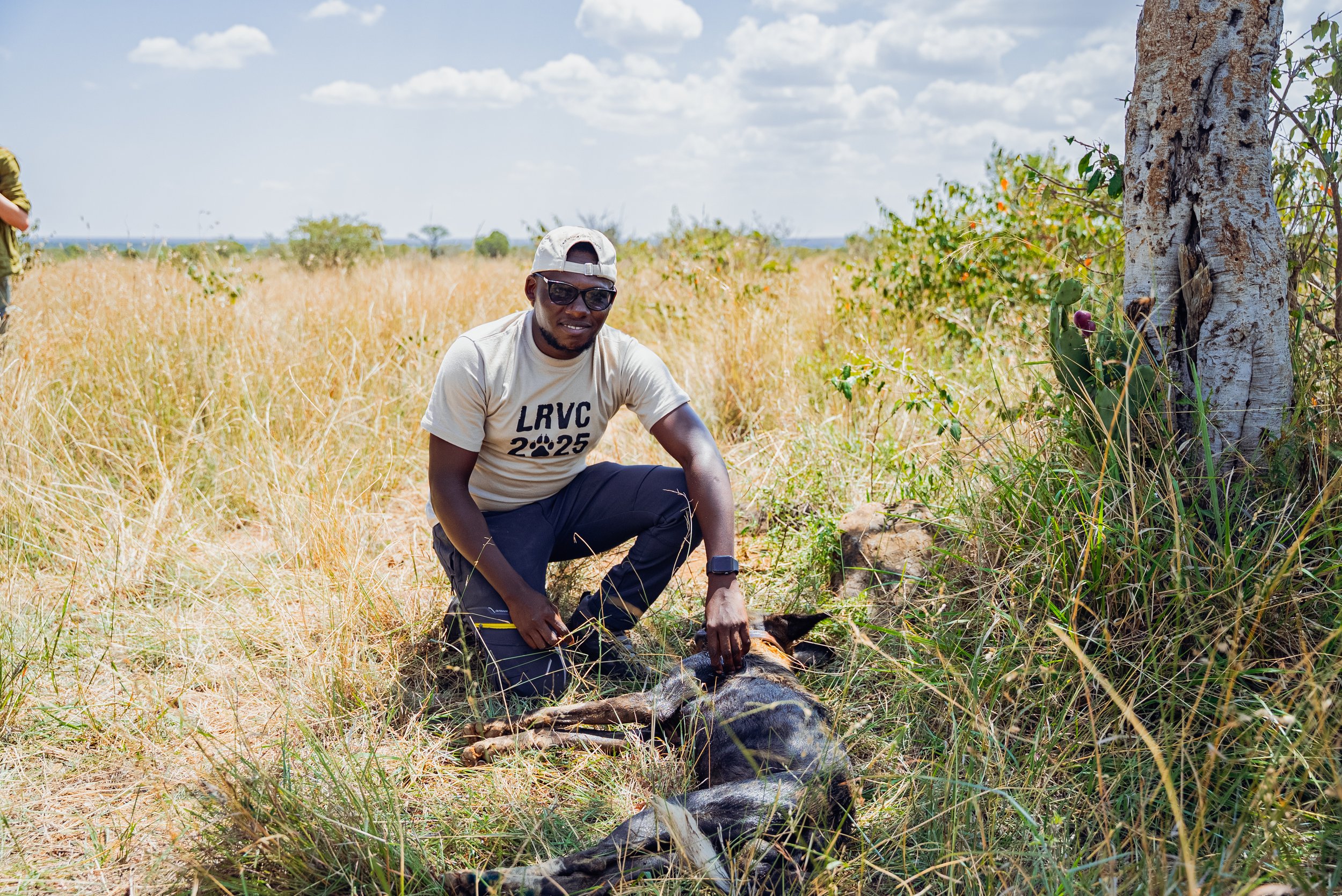
Dedan tracking the dogs.
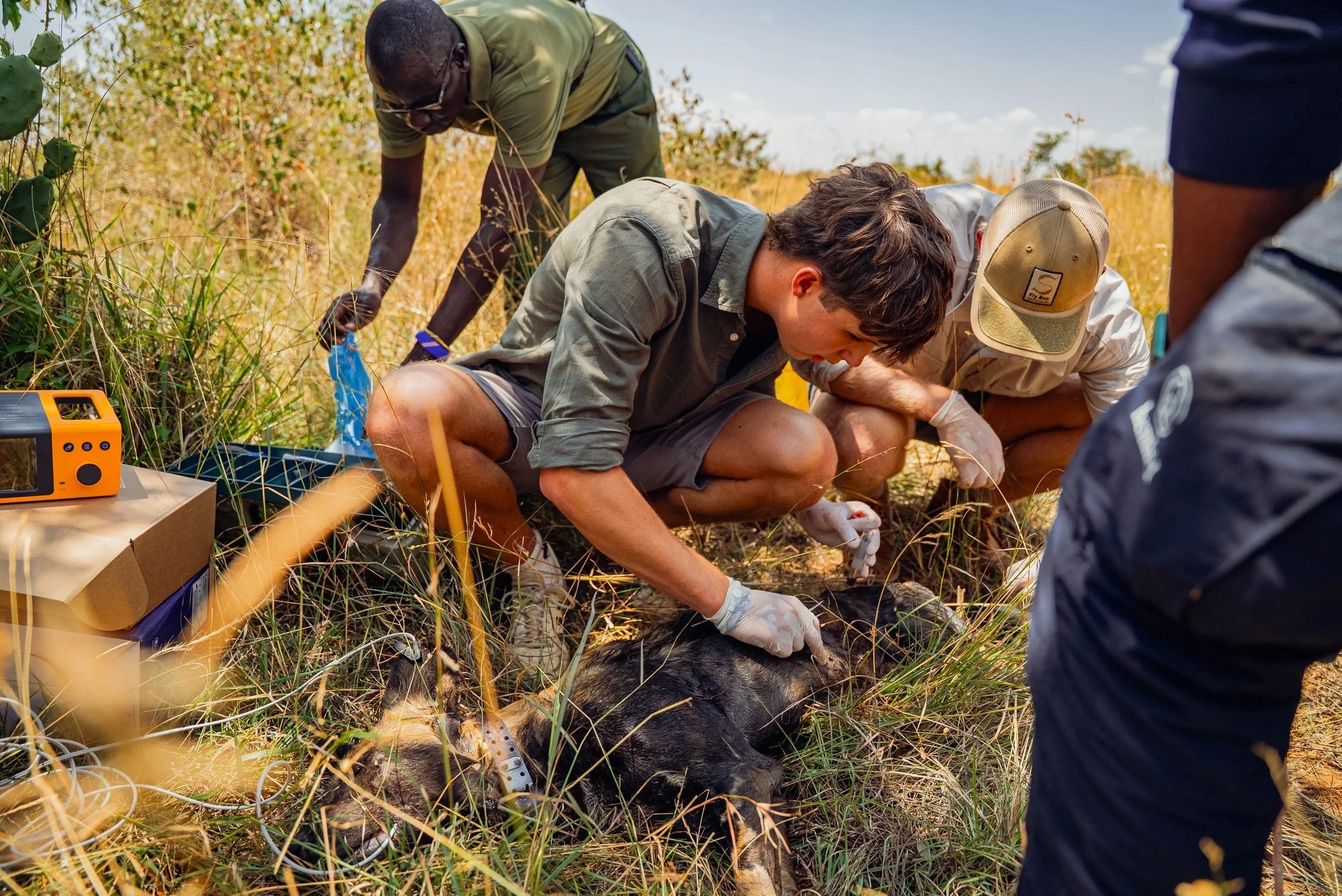
Over the past couple of months, our family and other guests, have been fortunate to spend time with some of Kenya’s leading conservationists, gaining rare insight into wildlife collar monitoring and its vital role in modern conservation. GPS collars, field observations, camera traps, and digital monitoring now help teams better understand wildlife movement, habitat use, and emerging threats.
Wildlife collars have transformed conservation from occasional observation into long-term understanding.
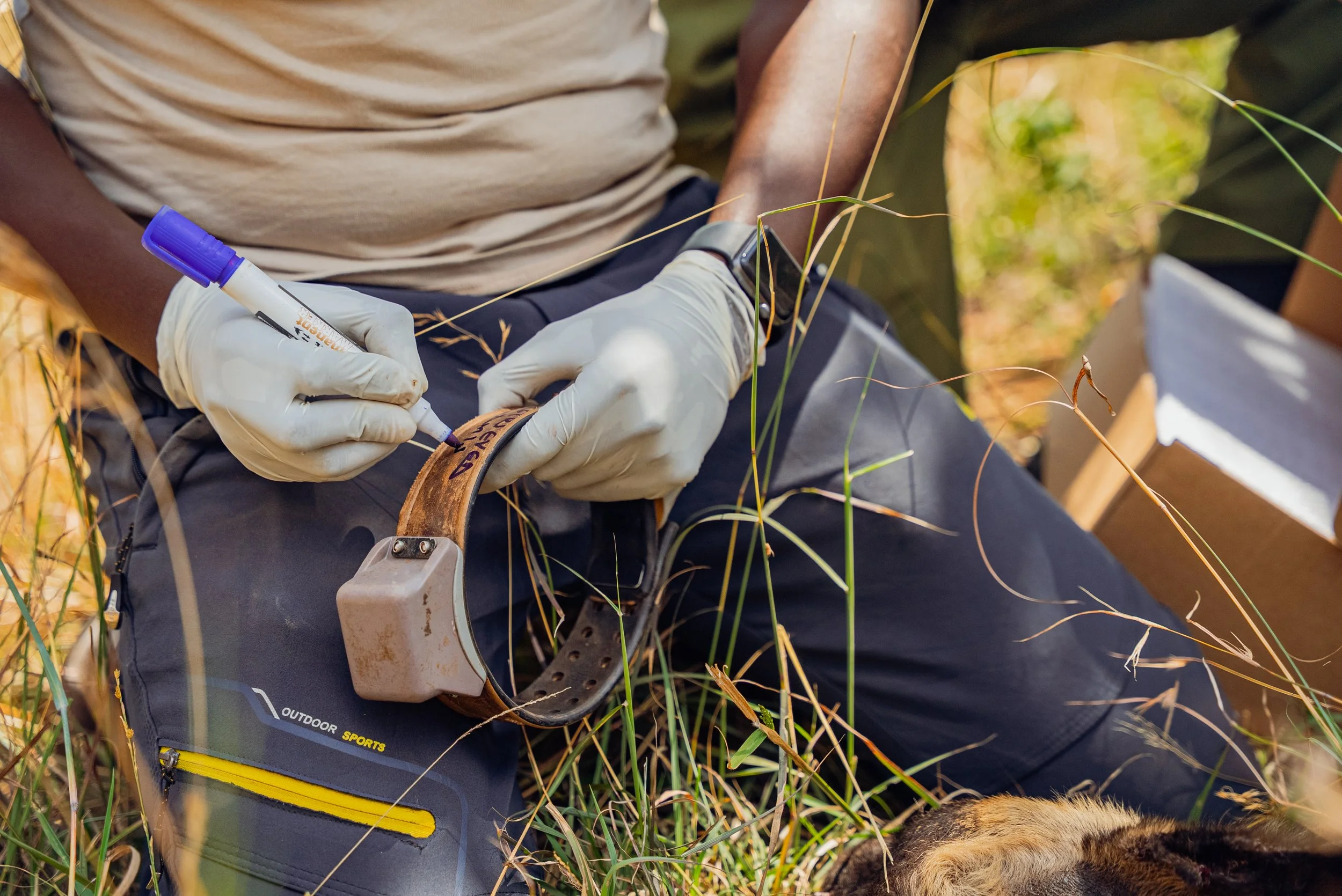
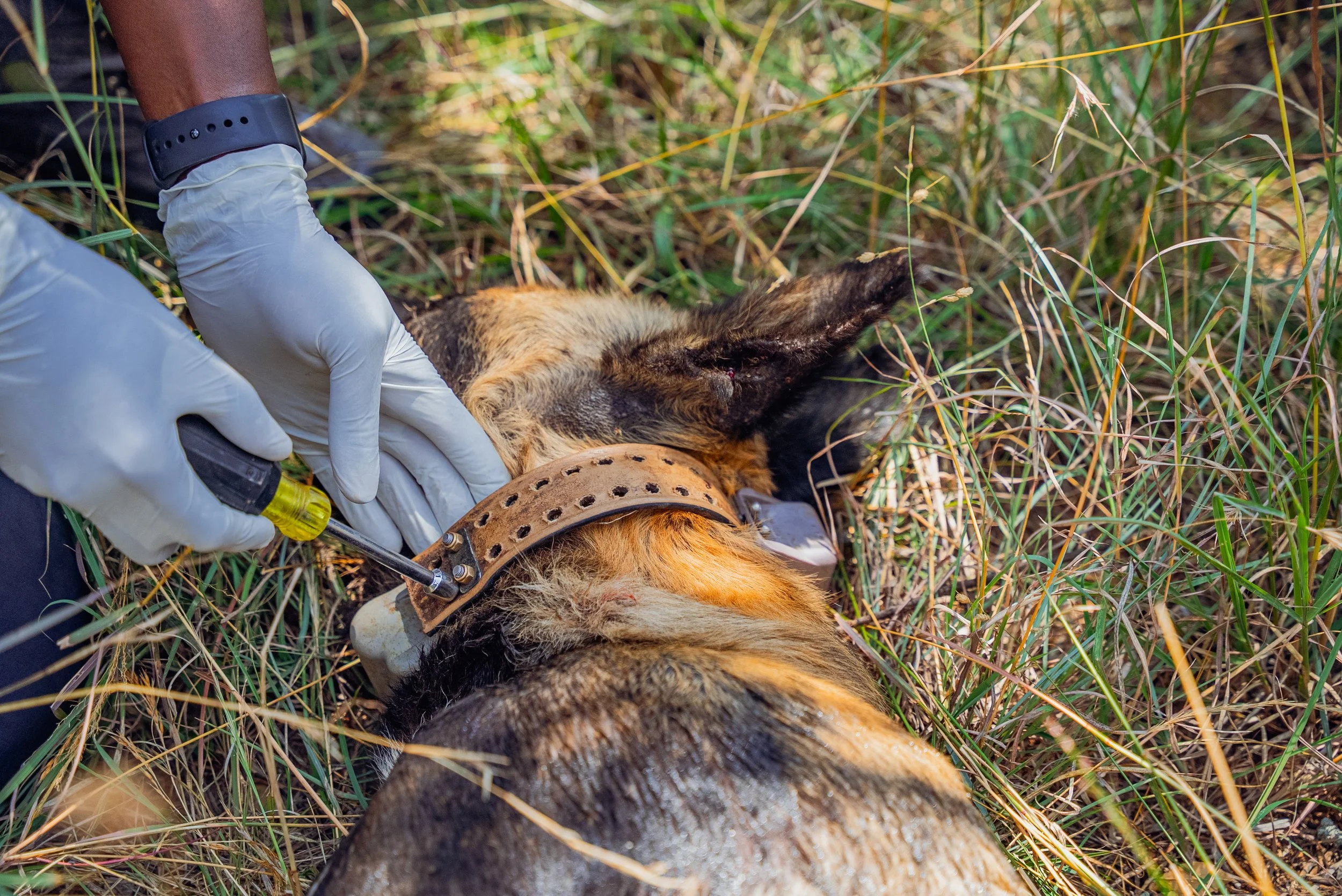
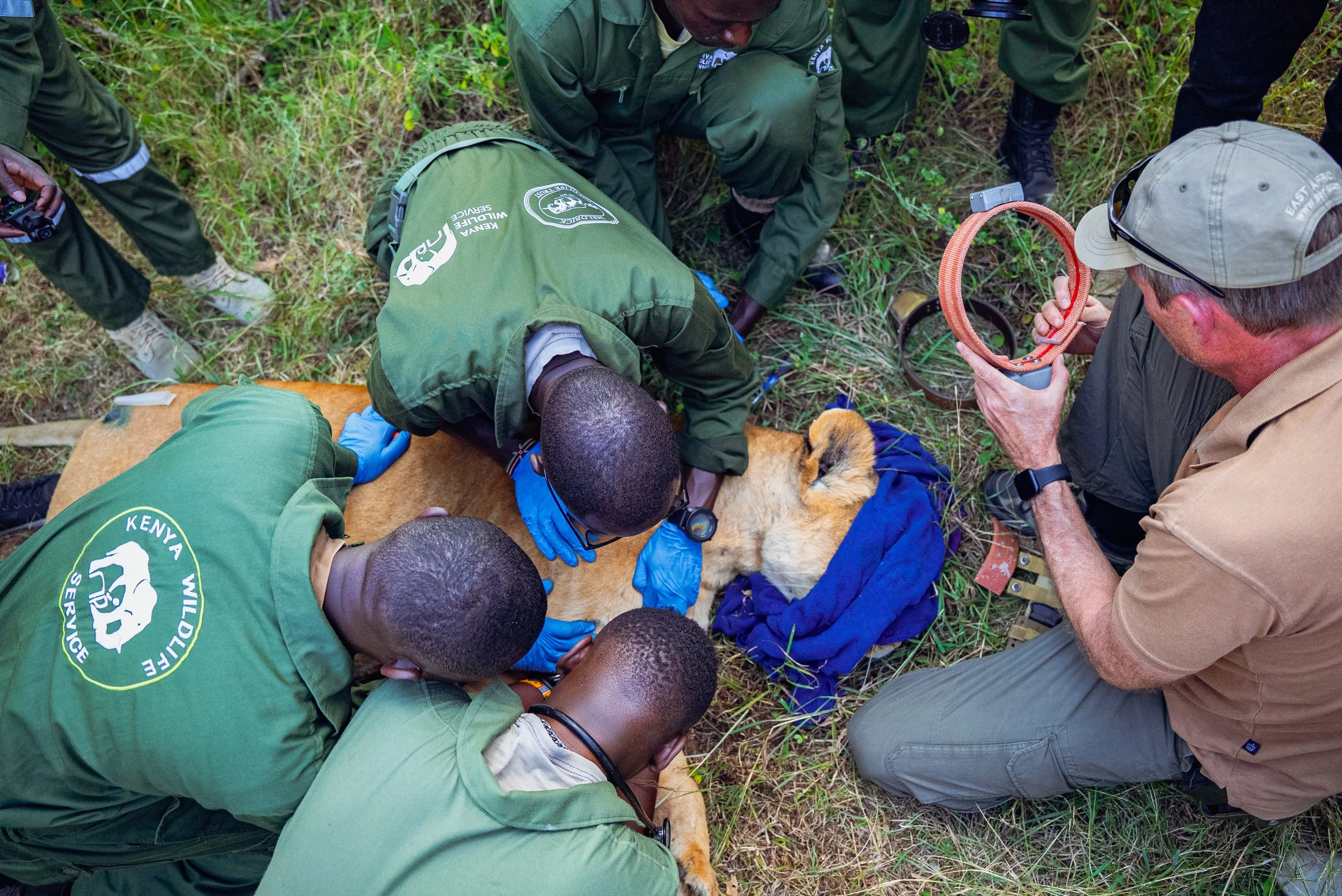
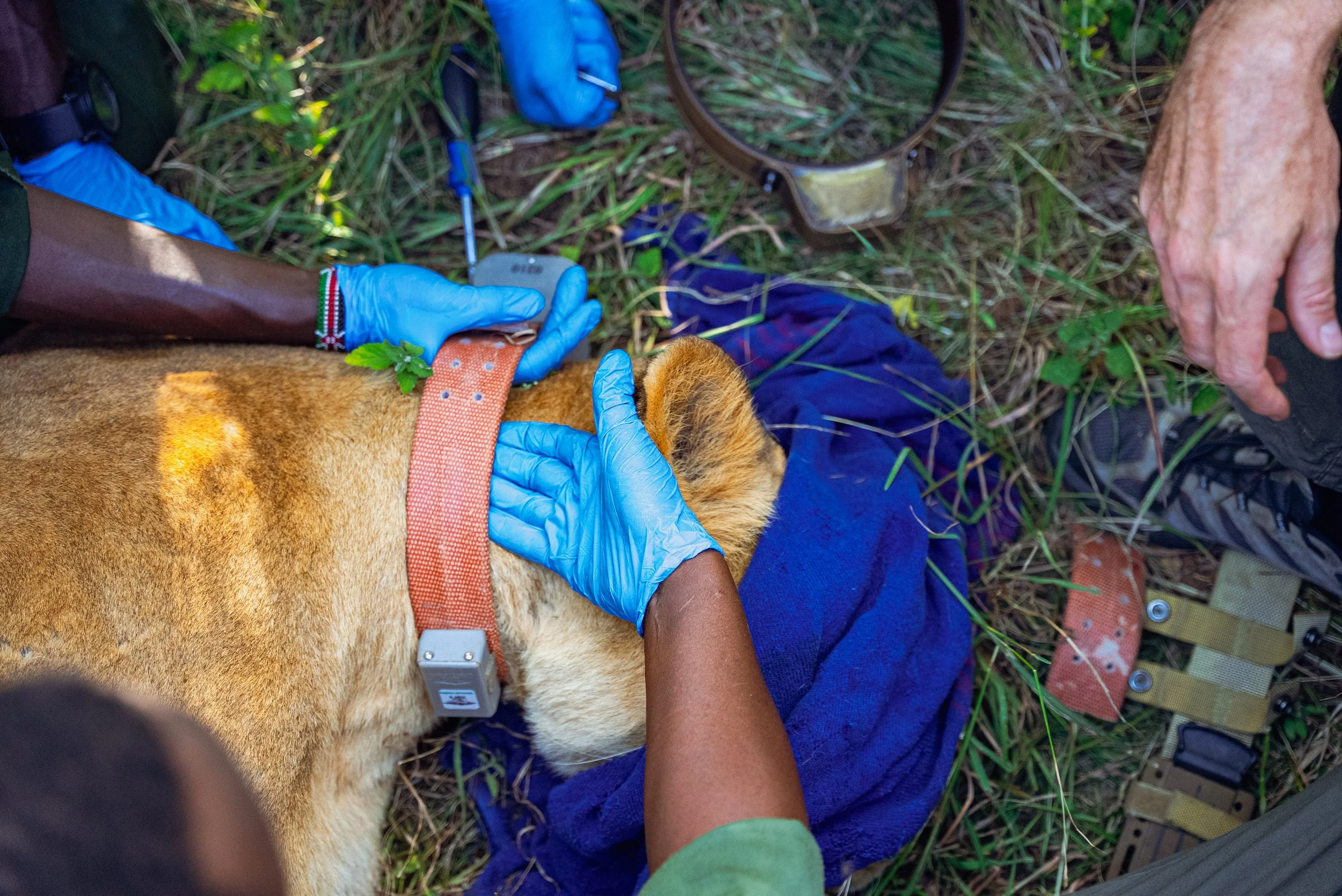
Through satellite, GPS, and LoRa-enabled technologies, conservation teams can monitor movement patterns, identify critical corridors, respond faster to threats, and make better-informed decisions about land management.
What resonates most is that conservation is rarely about a single species. Protecting painted dogs means protecting habitat, understanding communities, and building partnerships that benefit both people and wildlife.
The People Behind the Science
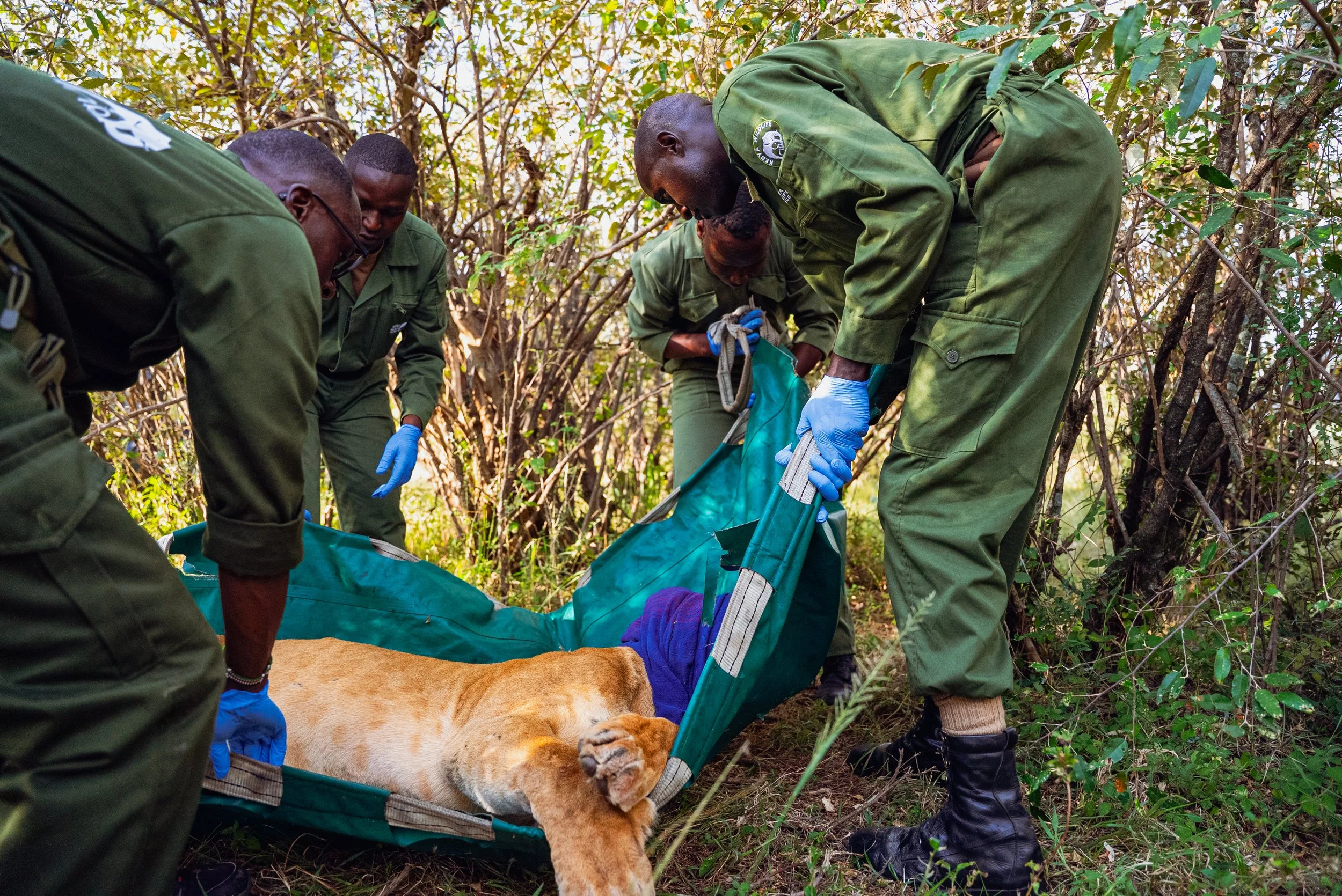
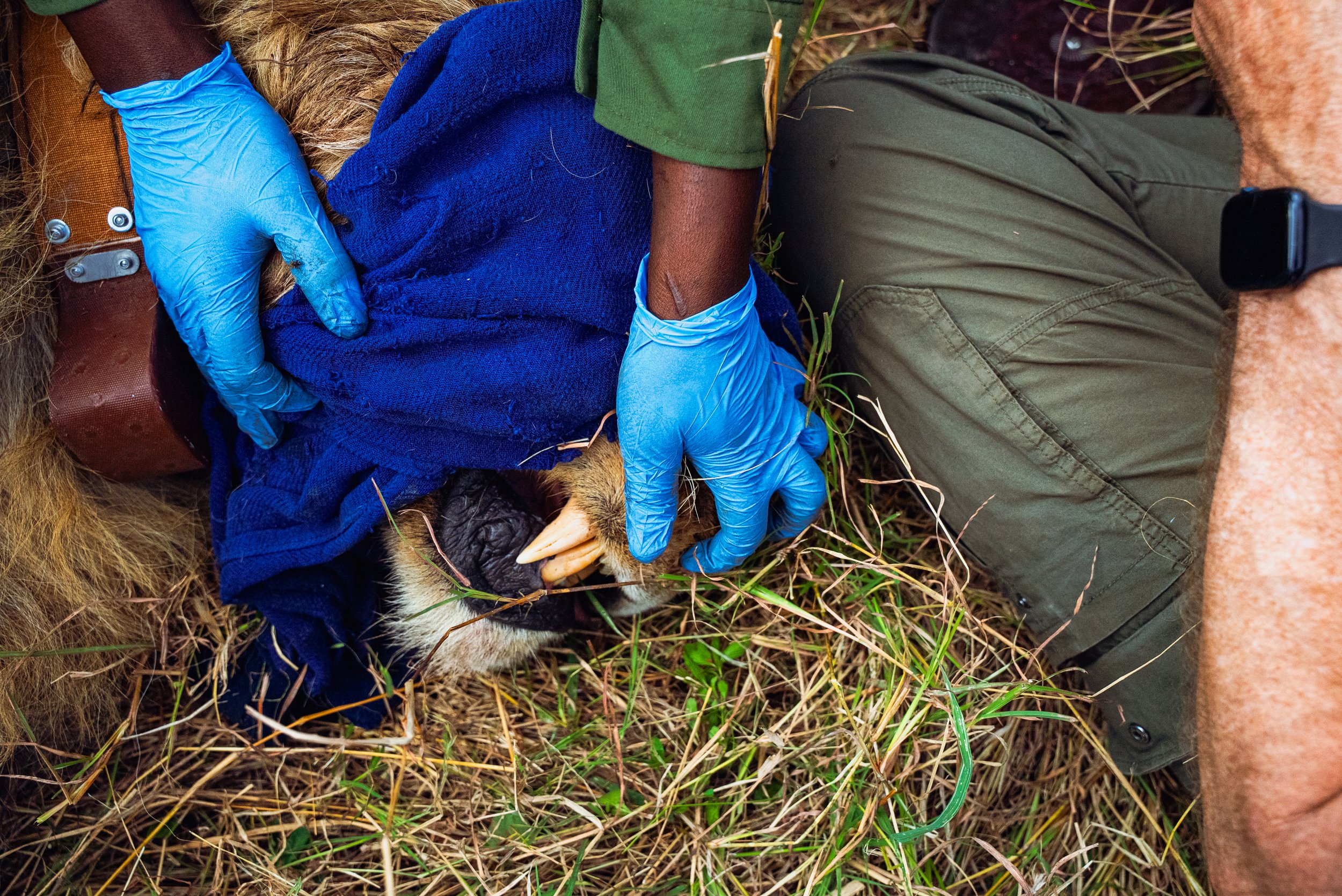
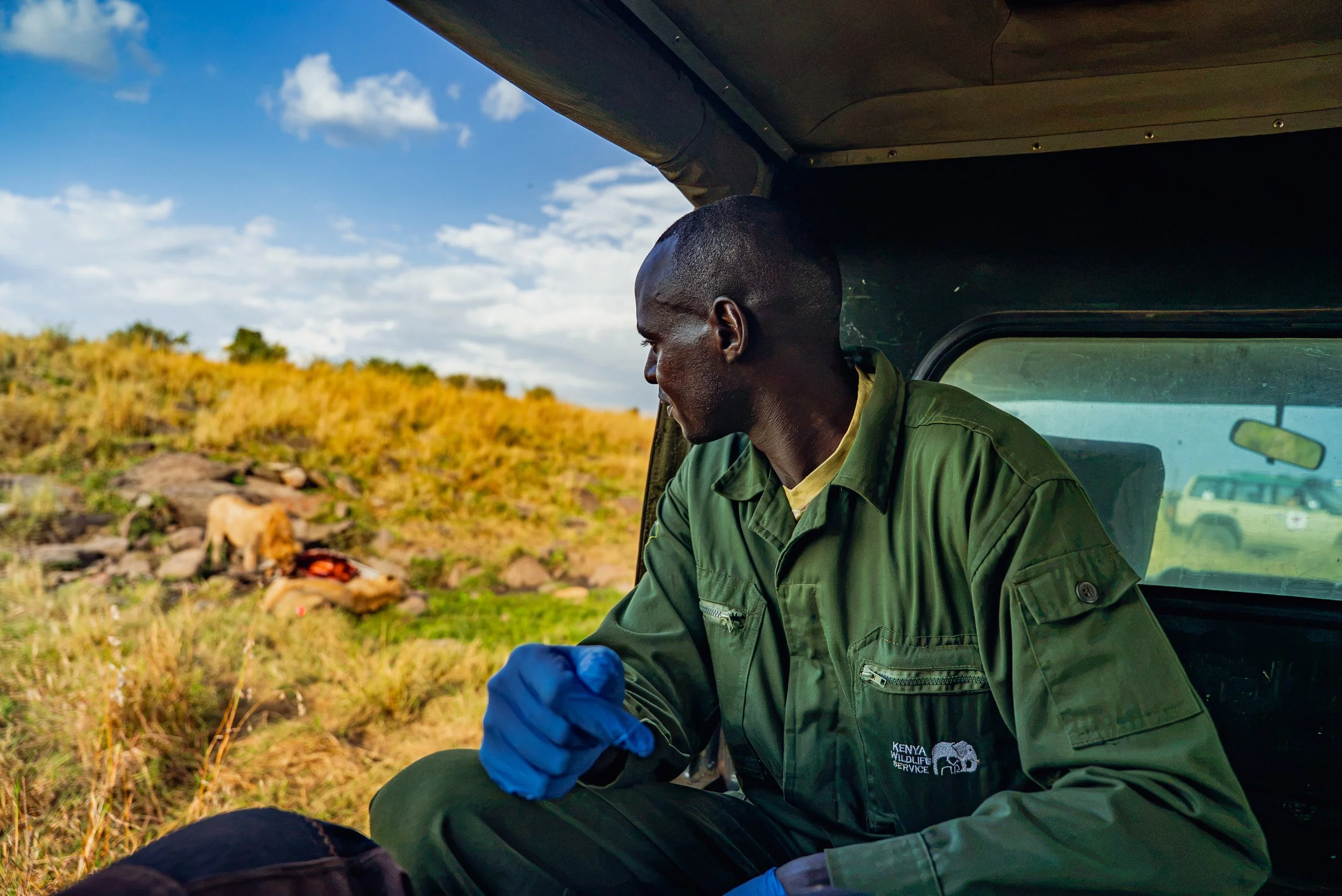
These experiences have been made more meaningful by the people who have shared their knowledge with us. In the Mara, Niels Mogensen and the Mara Predator Conservation Programme, together with veterinarian Dr Njoroge, have helped deepen our understanding of lions, cheetahs, leopards, and the pressures shaping predator conservation across the Greater Mara ecosystem.
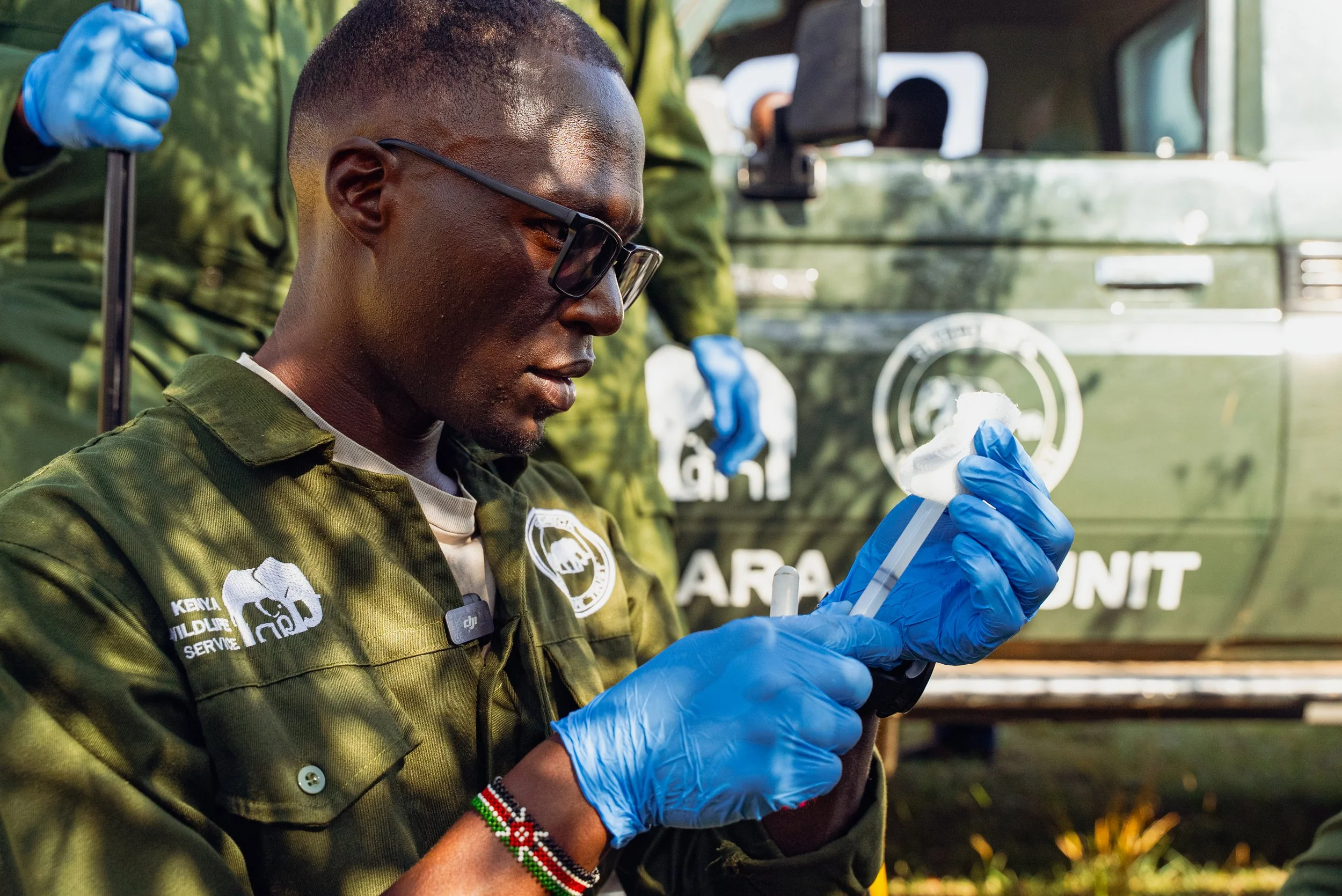
Further north, Dedan, as a scientist working with the Samburu-Laikipia Wild Dog Project, and KWS veterinarian Dr Mathew Matinda have offered an inspiring window into conservation in action with African painted dogs. Their work brings together field science, veterinary expertise, disease risk management, community coexistence, and landscape connectivity across community and private lands.
Together, these conservationists, scientists, veterinarians, rangers, and field teams remind us that every collar signal and every conservation success story is underpinned by people devoted to protecting Kenya’s extraordinary natural heritage.
A Family Lens
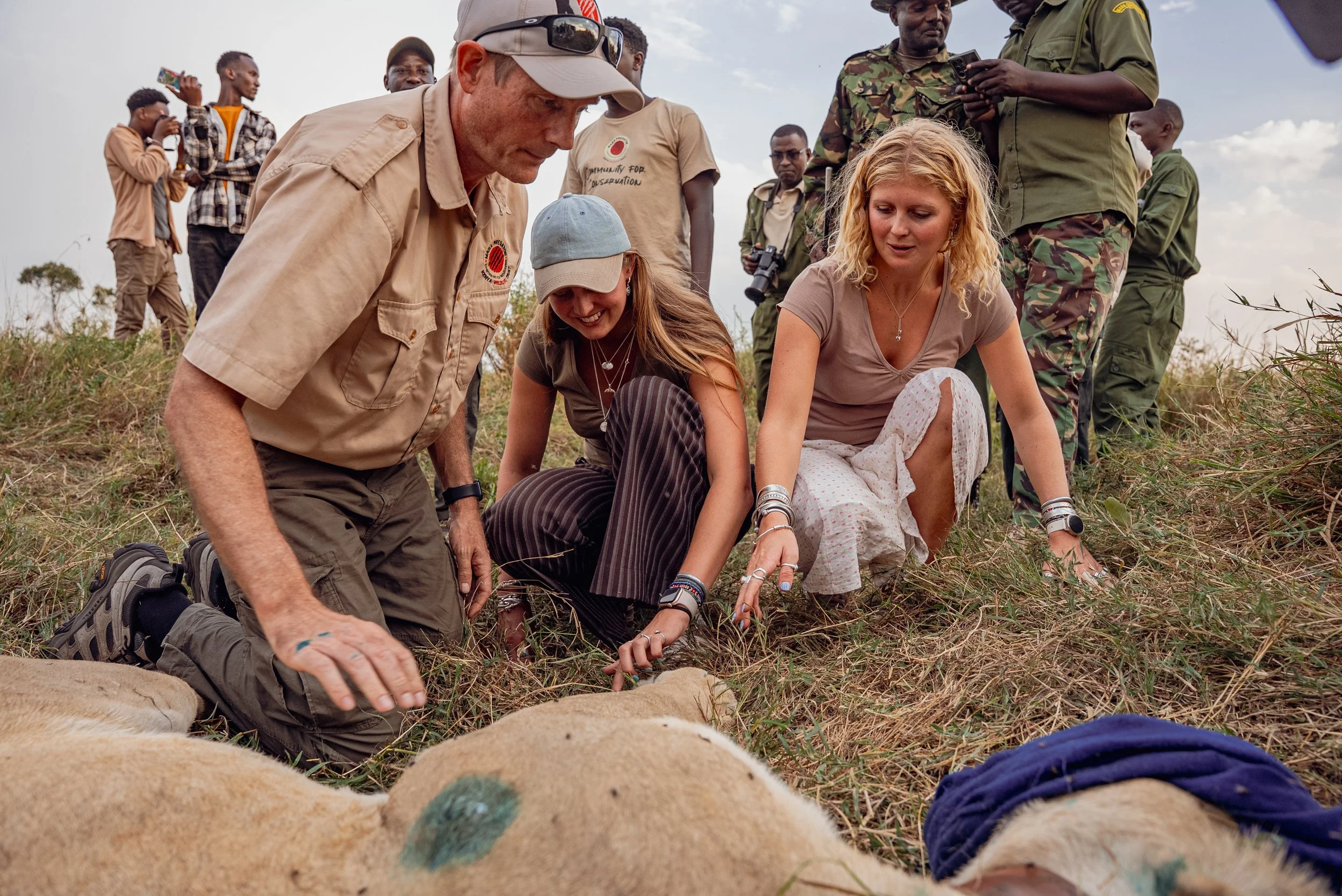
This perspective has profoundly influenced our family.
One of the greatest privileges of living and working in Kenya has been raising our children in landscapes where conservation is not a concept but a lived reality. Countless hours in the bush have fostered a natural curiosity about wildlife, ecosystems, and the people working to protect them.
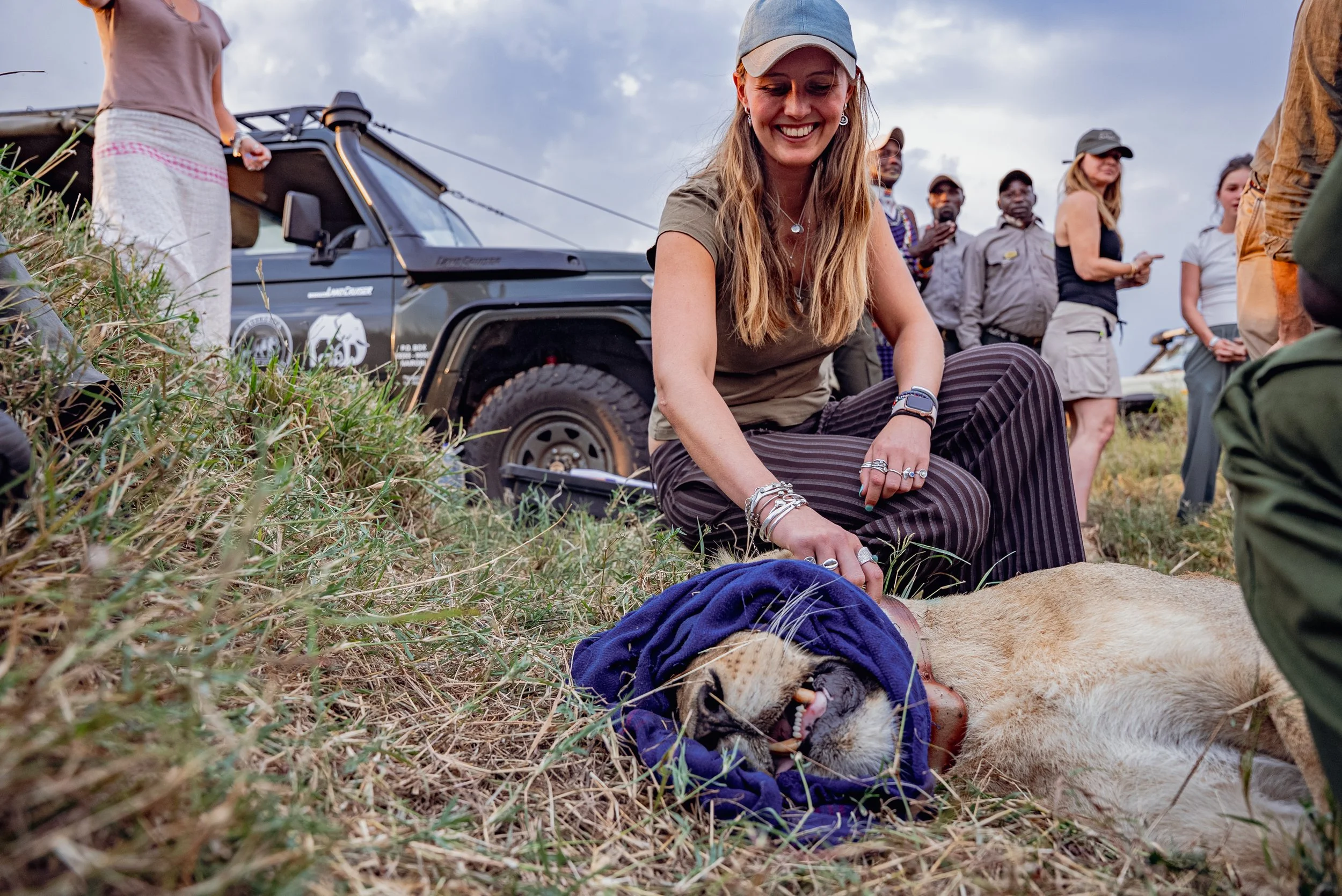
For Tisa, Kinna, and Sala, growing up around people like Niels, Dr Njoroge, Dr Mathew Matinda, Dedan, and many others has been every bit as influential as the wildlife itself. Their passion and expertise have helped shape a deep appreciation for the natural world and the responsibility we share in protecting it.
As Tisa and Kinna prepare for a gap year before university, their journey may lead them far beyond Africa’s savannahs, but the lessons learned in Kenya will travel with them: curiosity, respect for nature, and an understanding of conservation’s importance.
Meanwhile, Sala is preparing for the New York City Marathon (Nov 2026) in support of Dana-Farber Cancer Institute. Her training is a reminder that meaningful achievements, whether in conservation, endurance sport, or life itself, come from dedication over time.
Perhaps that is what ties these seemingly different stories together.
The scientist quietly reading a collar signal. The ranger following tracks through open country. The young traveller stepping out into the world. The marathon runner finding her rhythm, one stride at a time. Different journeys, perhaps, but each one shaped by curiosity, resilience, and a sense of purpose.
At Specialised Safaris, we have always believed that luxury is not simply about where you stay or what you see. It is about access to deeper understanding: meeting the people shaping the future of conservation, hearing their stories, and gaining insight into the challenges and opportunities facing Africa’s wild places, is a true Luxury.